

Look at what’s happening here.
Back in the day I was taking some AMAZING (or absolutely terrible) photos that had one thing in common: I had no idea WHY some were great and WHY some were awful.
That was a big problem for two reasons: With the good photos I didn’t know exactly what happened and what made the shot work, so I couldn’t repeat it. With the bad shots I didn’t know what went wrong so I could avoid it.
Every shot felt like it happened by accident.
For example, you might have had moments where everything clicks and fits perfectly inside the frame, but you have no idea why the shot works, or more importantly WHAT makes it work. You just pressed the shutter.
Or the opposite: nothing works in the frame at all. And this is happening while your exposure and settings are perfectly correct.

So what is missing?
Intention. In other words, having a technique that helps you take better photos by making the right choices consciously. Knowing what you are doing, basically.
If you don’t know where to start, I’ll make it all practical for you. I’ll tell you what I do now and what has completely freed me up.
What helped me a lot in the beginning was locking my camera position for ten (10) seconds before taking a shot. Yes, TEN seconds. At first it felt excessive, but when you stop changing your frame every 3 seconds and look through the viewfinder without rushing, you start seeing things you were missing before. A detail or branch ruining the composition, an element in the background distracting from the subject, or simply a better frame that comes from just zooming in or out. This is how you train your photographic eye, discover subjects, and immediately start taking better photos.
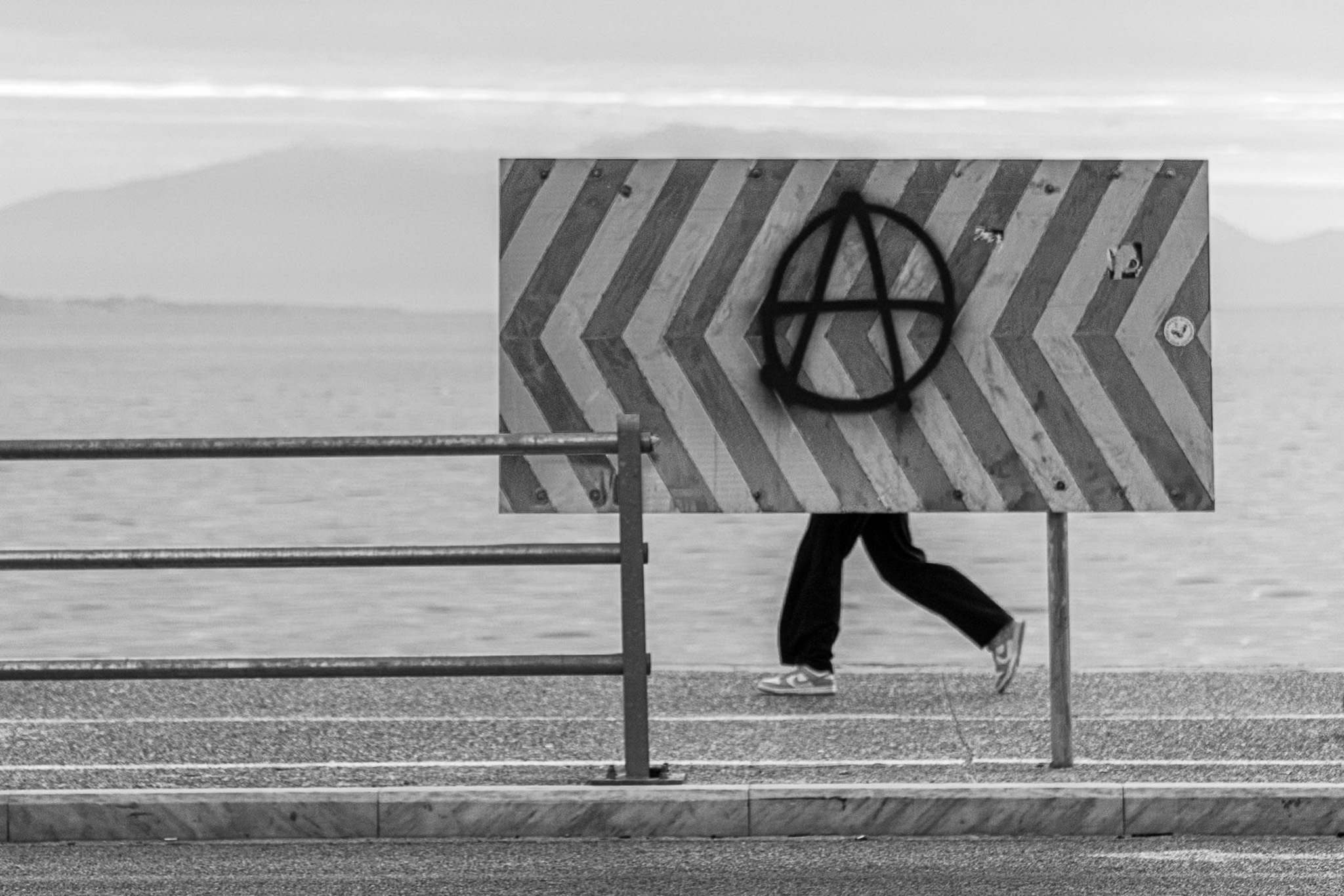
The other thing that works really well for me is visualising the frame before I even raise the camera. Ok it sounds a bit strange but hear me out. For example I see a sign and I imagine what it would look like if a person walked behind it. At that moment there might be nothing interesting there, but if I wait a little, suddenly I have 2 good shots because the right people walked through my frame. This is incredibly useful for suddenly taking much better photos.
And one more thing that saved me from pointless gigabytes of photos and HOURS spent trying to find the good ones after each shoot, so do this too: take one shot and stop. Look at it CAREFULLY. What worked? What didn’t? What can you change to make it better? What should stay in the frame? What should stay out? Don’t start wasting frames hoping that one will randomly turn out good. Make the most of that one photo because it will ALWAYS show you exactly what needs to be fixed to get an outstanding shot.
Of course in this case it is not enough to just know what the problem is. You also need to know what will solve it once and for all.
Because let’s be honest, however much money you spend on gear, it will all go to waste if you don’t fix the problems ruining your photos that have nothing to do with equipment.