The mistake that ruins your photos everytime


Look at what’s happening here.

Back in the day I was taking some AMAZING (or absolutely terrible) photos that had one thing in common: I had no idea WHY some were great and WHY some were awful.

That was a big problem for two reasons: With the good photos I didn’t know exactly what happened and what made the shot work, so I couldn’t repeat it. With the bad shots I didn’t know what went wrong so I could avoid it.

Every shot felt like it happened by accident.

For example, you might have had moments where everything clicks and fits perfectly inside the frame, but you have no idea why the shot works, or more importantly WHAT makes it work. You just pressed the shutter.

Or the opposite: nothing works in the frame at all. And this is happening while your exposure and settings are perfectly correct.
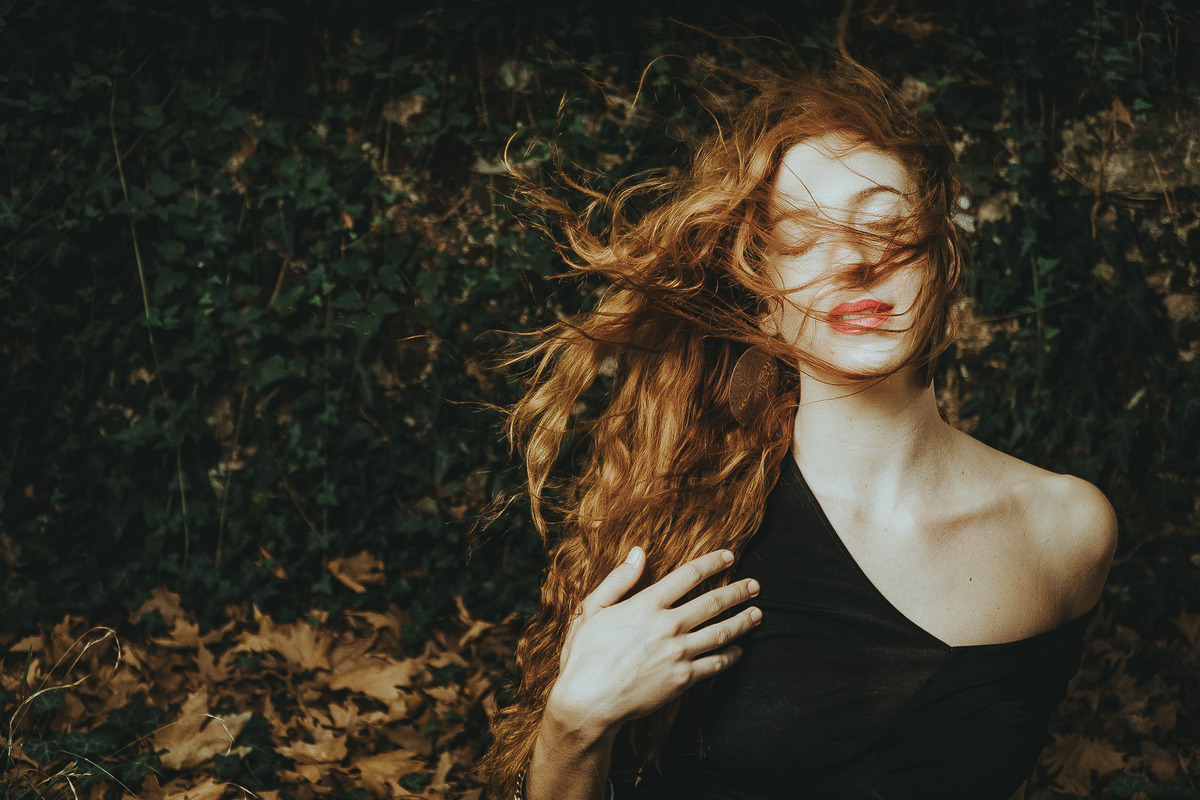
So what is missing?

Intention. In other words, having a technique that helps you take better photos by making the right choices consciously. Knowing what you are doing, basically.

If you don’t know where to start, I’ll make it all practical for you. I’ll tell you what I do now and what has completely freed me up.

What helped me a lot in the beginning was locking my camera position for ten (10) seconds before taking a shot. Yes, TEN seconds. At first it felt excessive, but when you stop changing your frame every 3 seconds and look through the viewfinder without rushing, you start seeing things you were missing before. A detail or branch ruining the composition, an element in the background distracting from the subject, or simply a better frame that comes from just zooming in or out. This is how you train your photographic eye, discover subjects, and immediately start taking better photos.
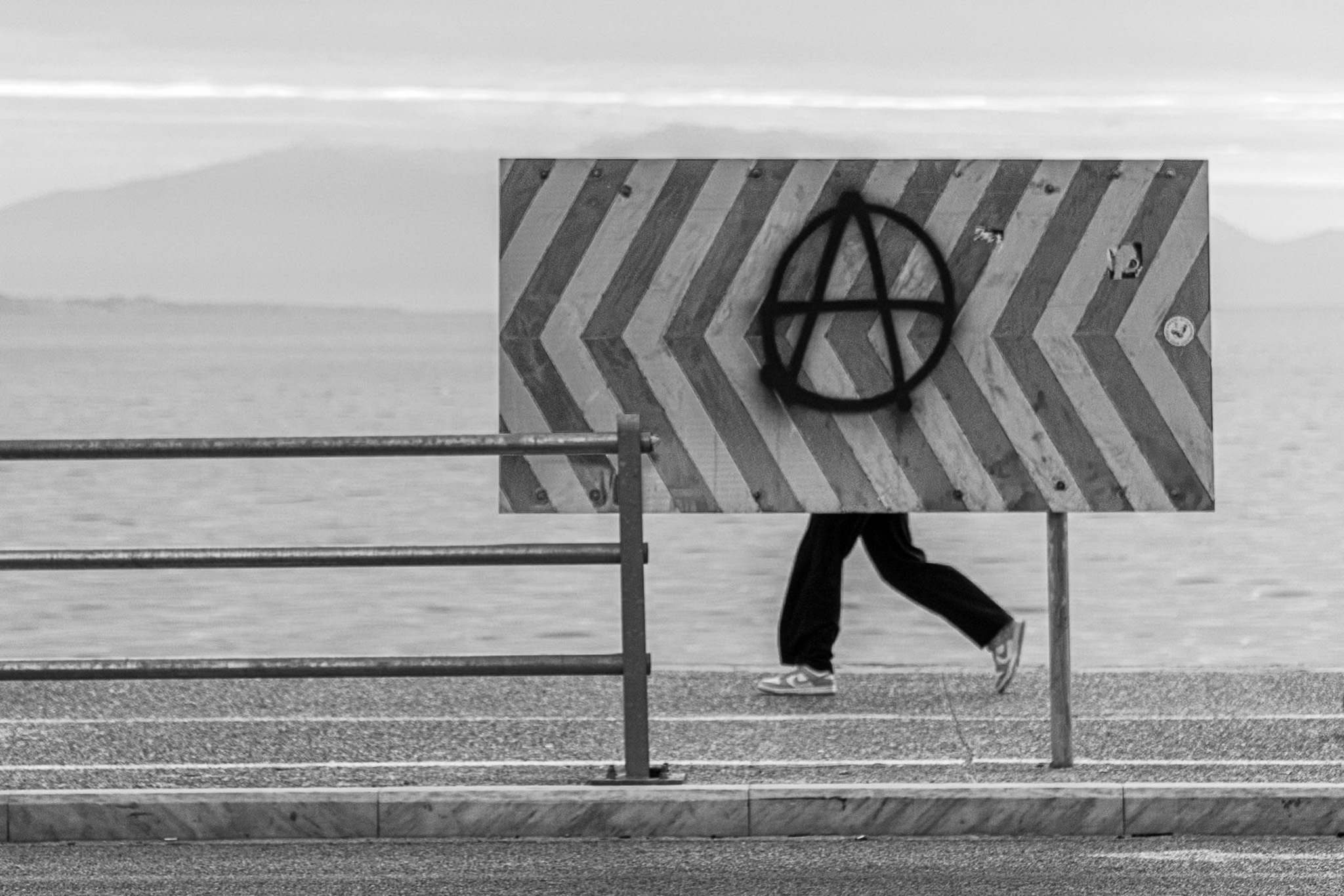
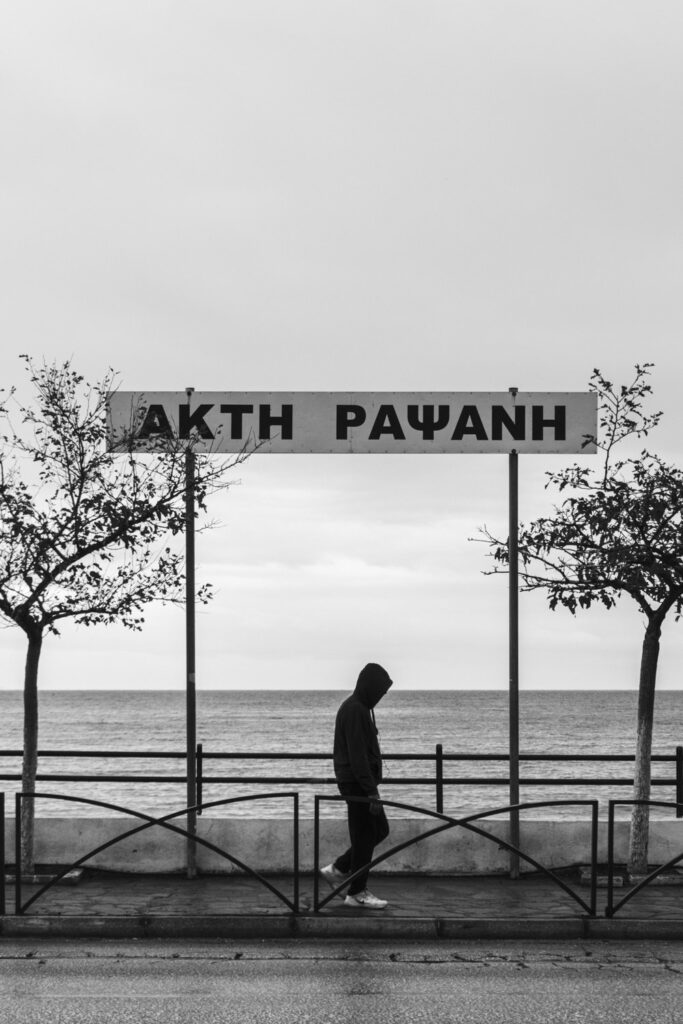
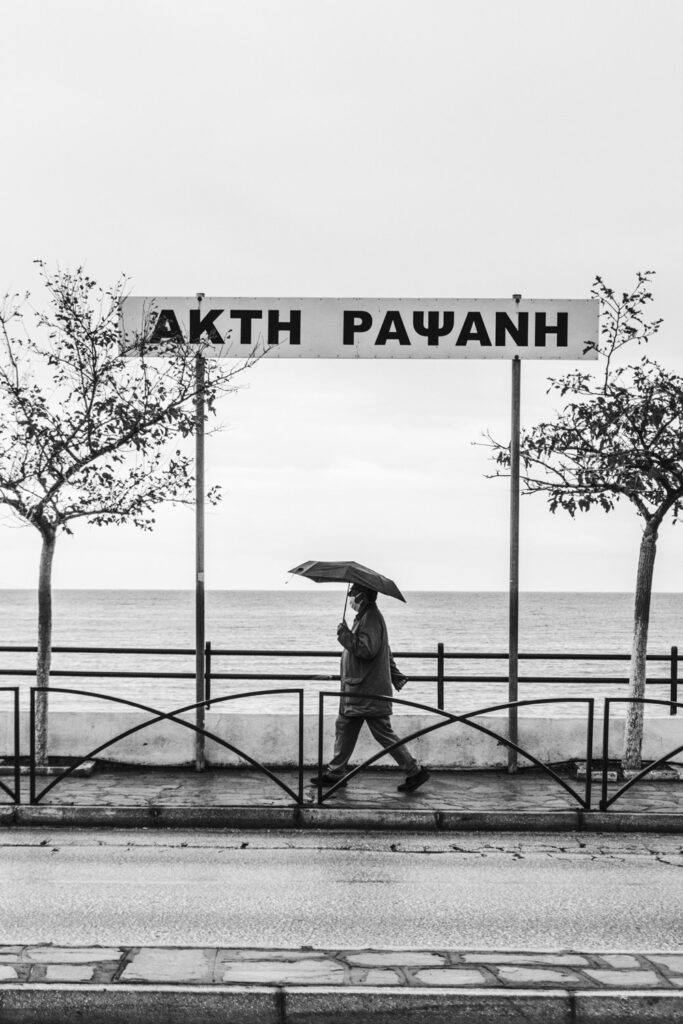
The other thing that works really well for me is visualising the frame before I even raise the camera. Ok it sounds a bit strange but hear me out. For example I see a sign and I imagine what it would look like if a person walked behind it. At that moment there might be nothing interesting there, but if I wait a little, suddenly I have 2 good shots because the right people walked through my frame. This is incredibly useful for suddenly taking much better photos.

And one more thing that saved me from pointless gigabytes of photos and HOURS spent trying to find the good ones after each shoot, so do this too: take one shot and stop. Look at it CAREFULLY. What worked? What didn’t? What can you change to make it better? What should stay in the frame? What should stay out? Don’t start wasting frames hoping that one will randomly turn out good. Make the most of that one photo because it will ALWAYS show you exactly what needs to be fixed to get an outstanding shot.

Of course in this case it is not enough to just know what the problem is. You also need to know what will solve it once and for all.

Because let’s be honest, however much money you spend on gear, it will all go to waste if you don’t fix the problems ruining your photos that have nothing to do with equipment.


Why searching for color has reignited my creative spark

I love going out with no real plan. Give me a free afternoon and my camera, and I am genuinely happy. No destination, no subject, nothing. Just me walking around Kavala looking for something worth stopping for.This is probably one of my favorite things to do as a photographer, and honestly it has taught me more than most deliberate shooting sessions have.When you go out like this you start actually looking at things rather than hunting for the perfect scene that many times you never find. And that shift matters more than you might think.

Because if you look for color it is almost 100% guaranteed that you will return with at least 2 good photos in your memory card.

And also guess what: color is EVERYWHERE and so are interesting subjects.

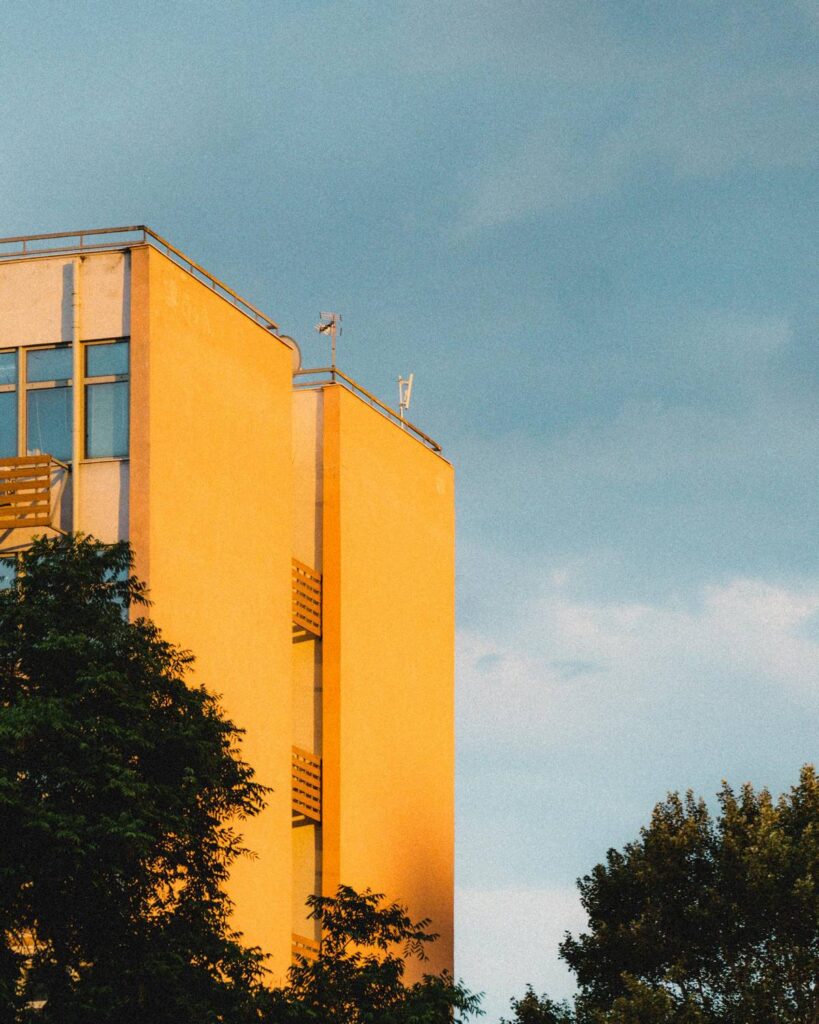
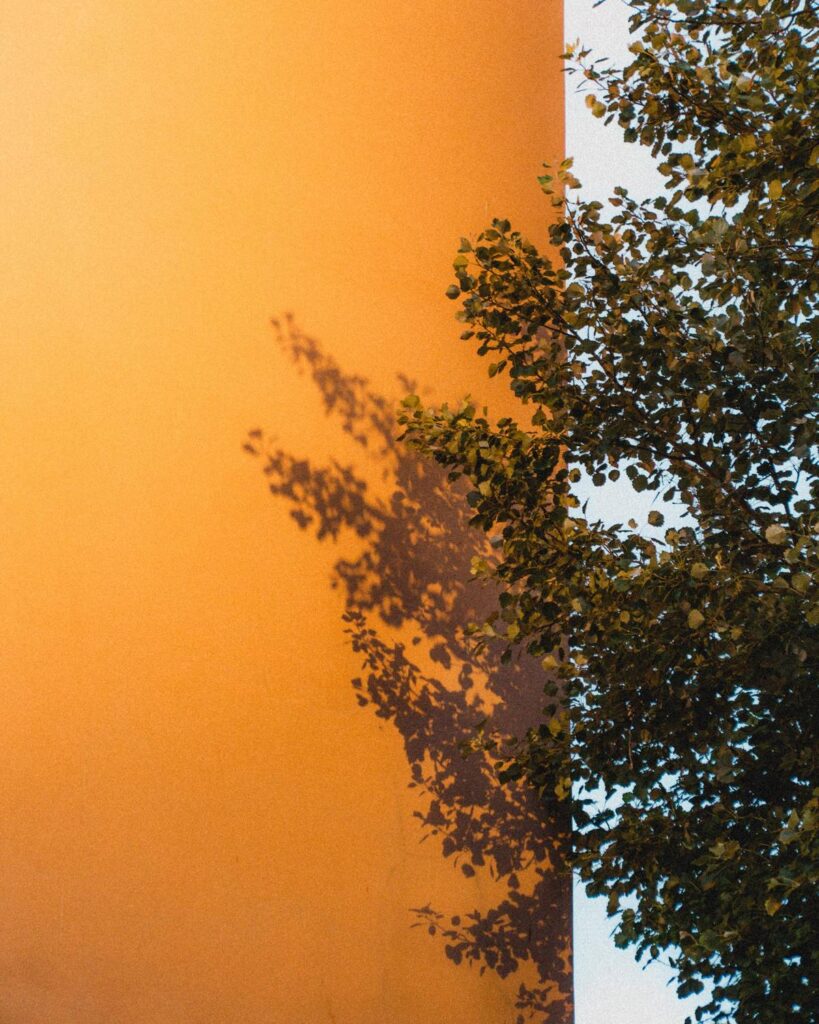
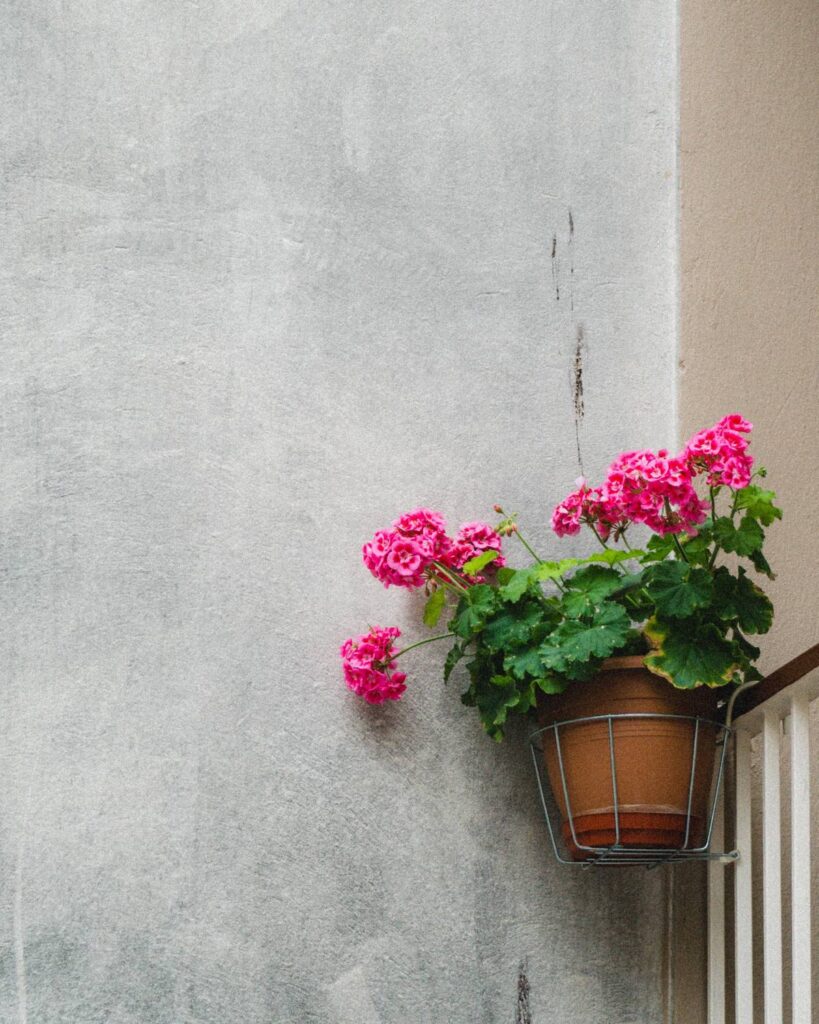
Even boring ones like a colored wall can be elevated into an amazing photo if someone walks in front of it with clothes that have contrasting colors.

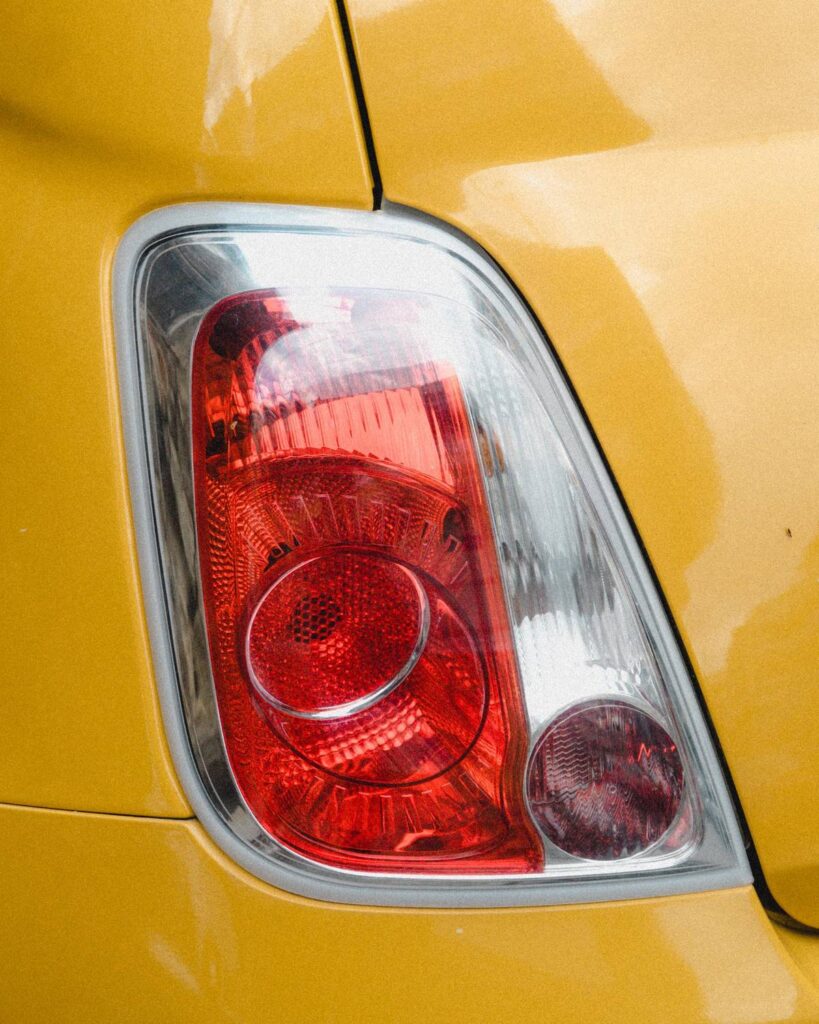
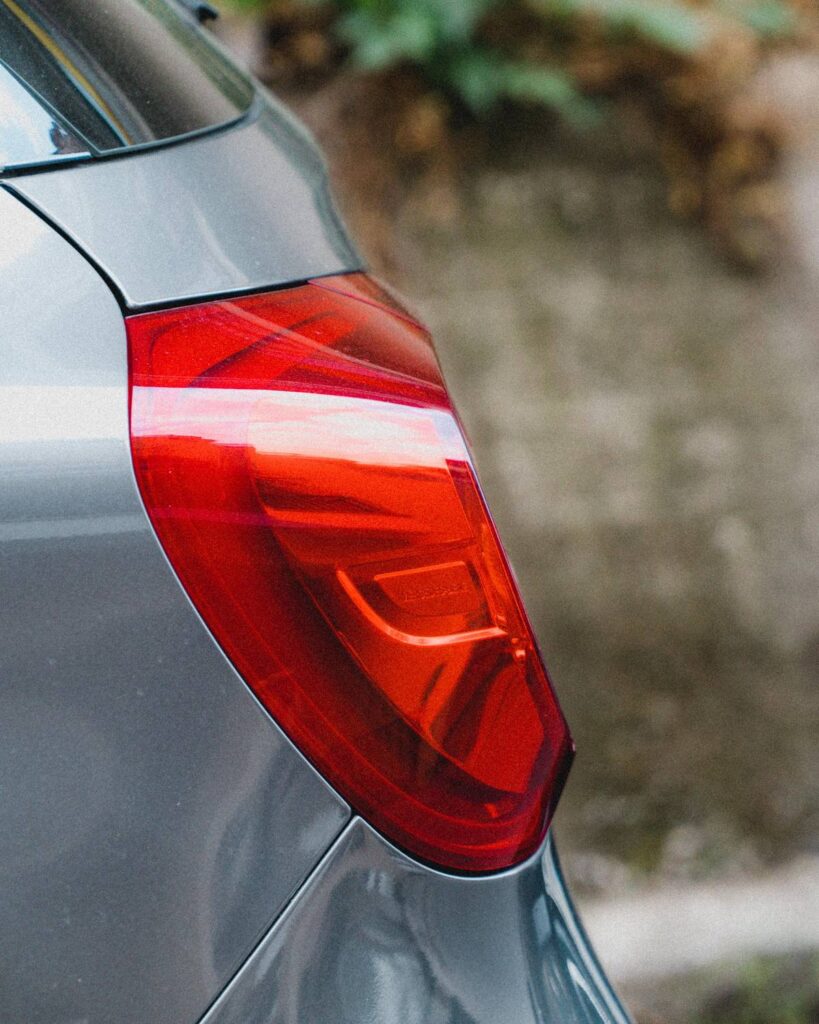
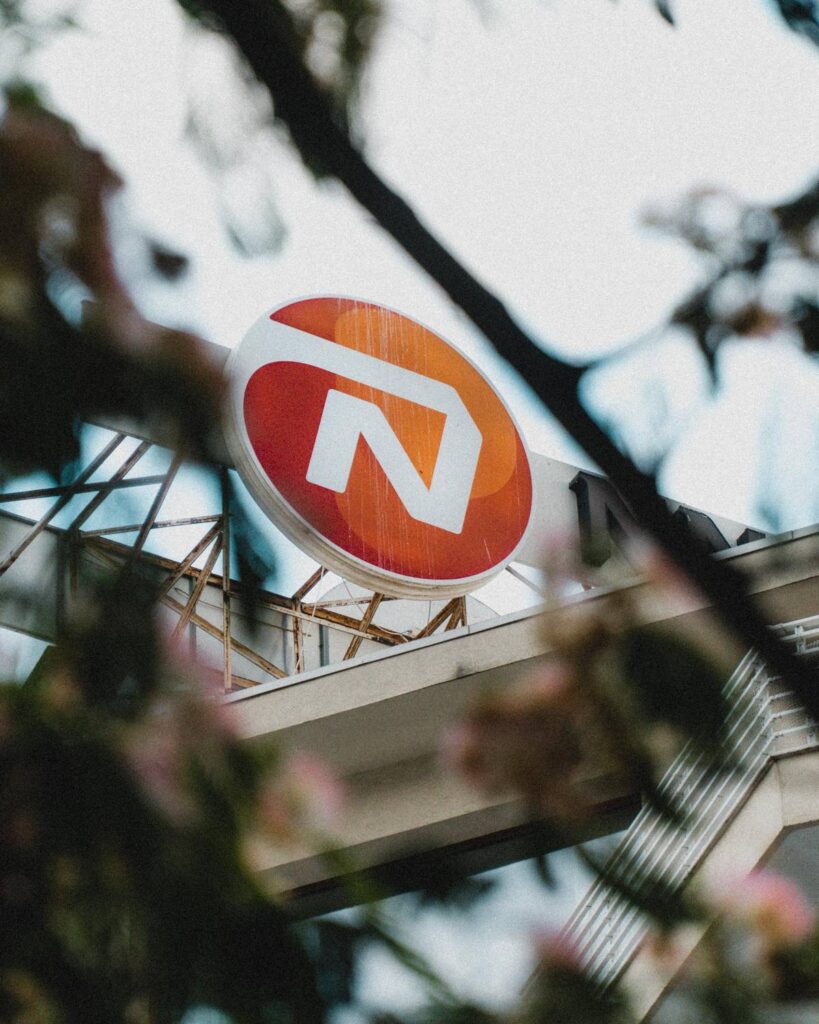
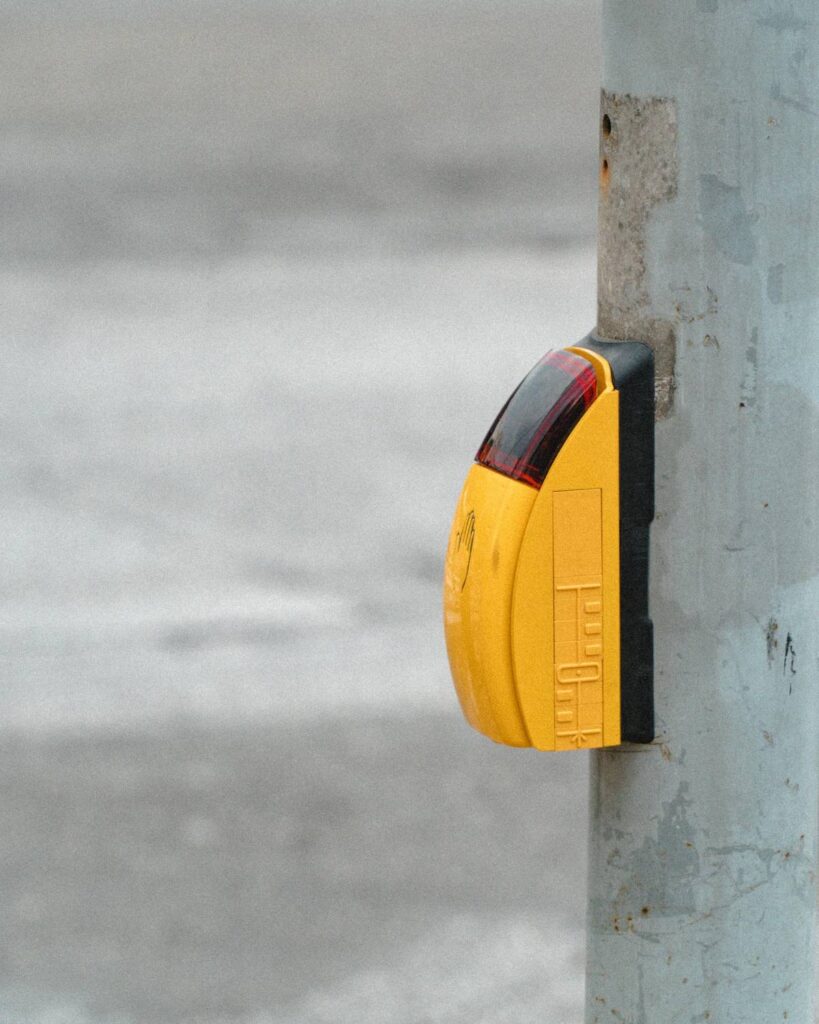
As you can see in these photos, simple objects like crosswalk switches, buildings signs, flowers, even car lights can produce interesting results as long as you discover them, isolate them and frame them properly.

And here is what I usually do to get results like these, every time, in the form of practical advice.

Color needs a fight to be interesting. A red object against a green background, a yellow sign against a grey wall, a blue door in an otherwise brown street. Contrasting colors create tension in a frame and tension is what makes people stop scrolling. When you are out walking, train yourself to look for situations where one color is arguing with another. Those are usually your best opportunities.

Fill the frame with one thing. Pick one colored object and let it own the photograph completely. A single flower, a painted wall, a rusted pipe. Get close enough that there is nothing else competing for attention. This is harder than it sounds because our instinct is to include context. Fight that instinct. The more you isolate a single color and fill the frame with it, the stronger the image tends to be.

Take the photo even if you think it won’t work. This is probably the most useful habit you can build. You will walk past something, feel a small pull of interest, talk yourself out of it, and keep walking. Nine times out of ten that was your photograph. The subjects that feel uncertain in the moment are often the ones that surprise you on the screen later. The cost of a bad frame is nothing. The cost of not taking it is that you never find out.

So next time you think you have run out of subjects to photograph, look for color. It will be the best small gift you can do to yourself and it will for sure reignite your creativity.

The problem with my boring city and how Rain helps me overcome it

Kavala is not a city that is the metropolis of street photography. Since I live here for the last 47 years, I guess I have seen it all. Or so I thought… You see most days, walking in the city feels like a chore. I literally would prefer to iron 10 shirts than to go outside in the same place again for the thousand time, only to be bored to death.

But when it rains…. Well…. that changes everything.

What rain does is transformative.

People walk faster, more people hold umbrellas and wear clothes that add visual interest.

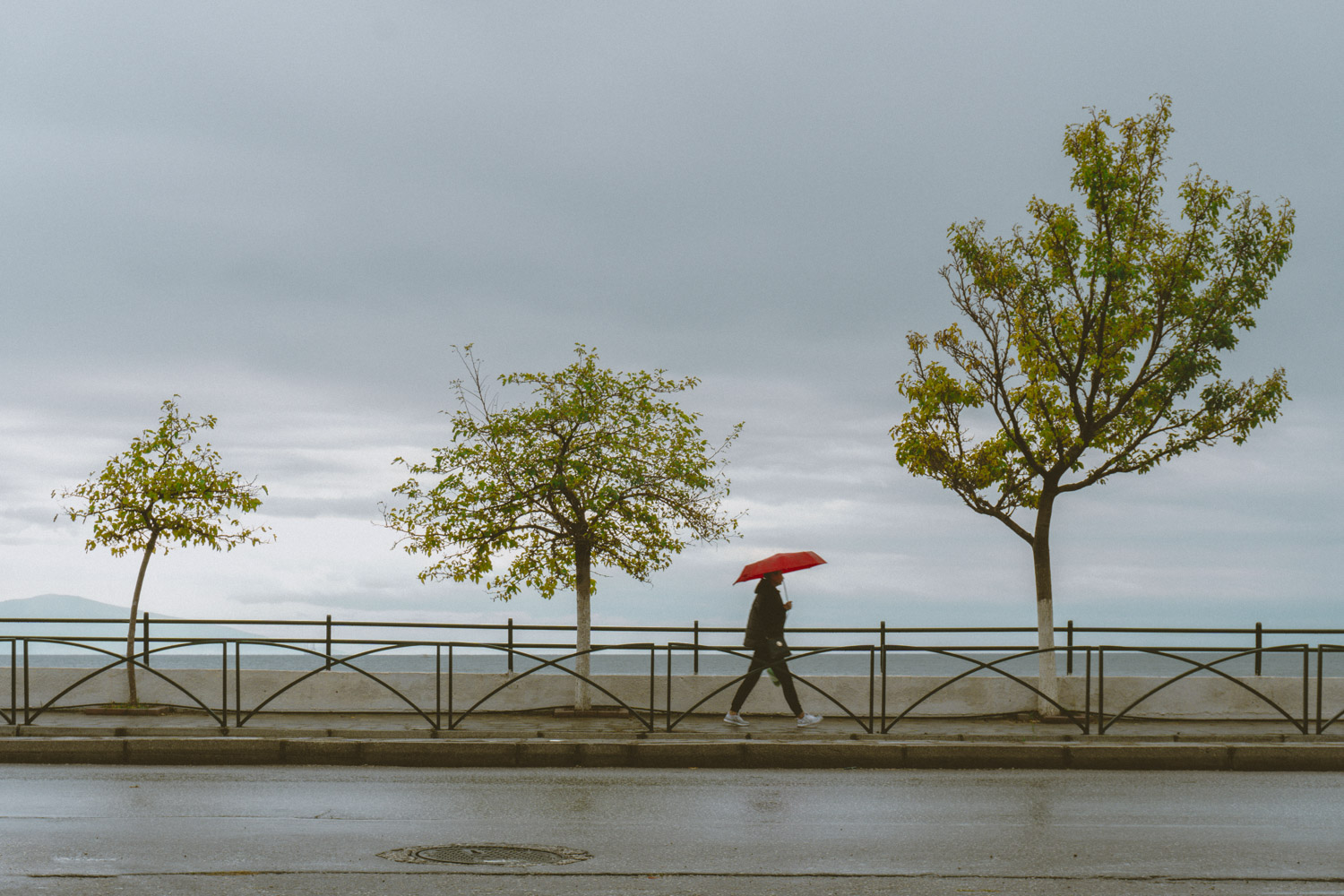
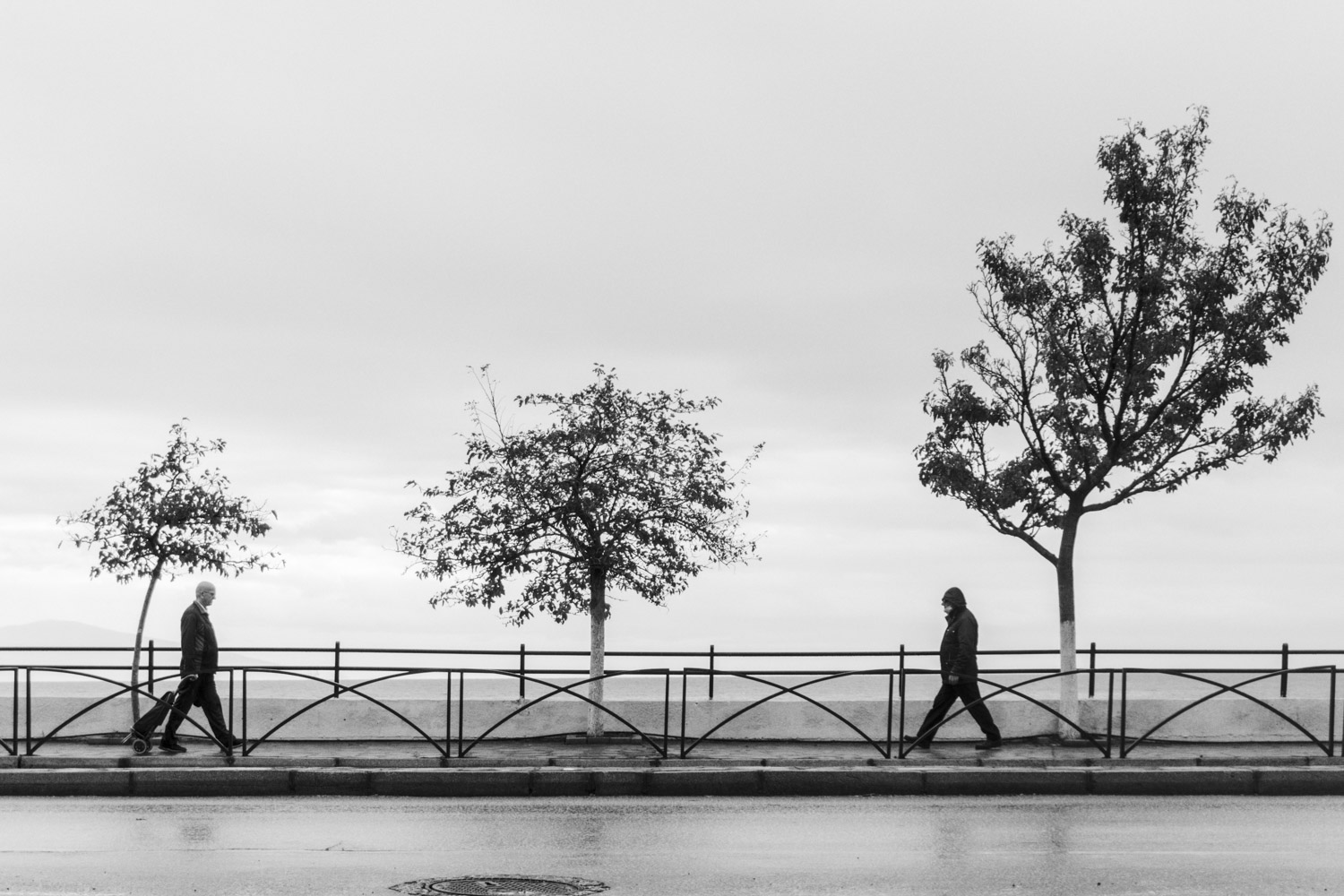
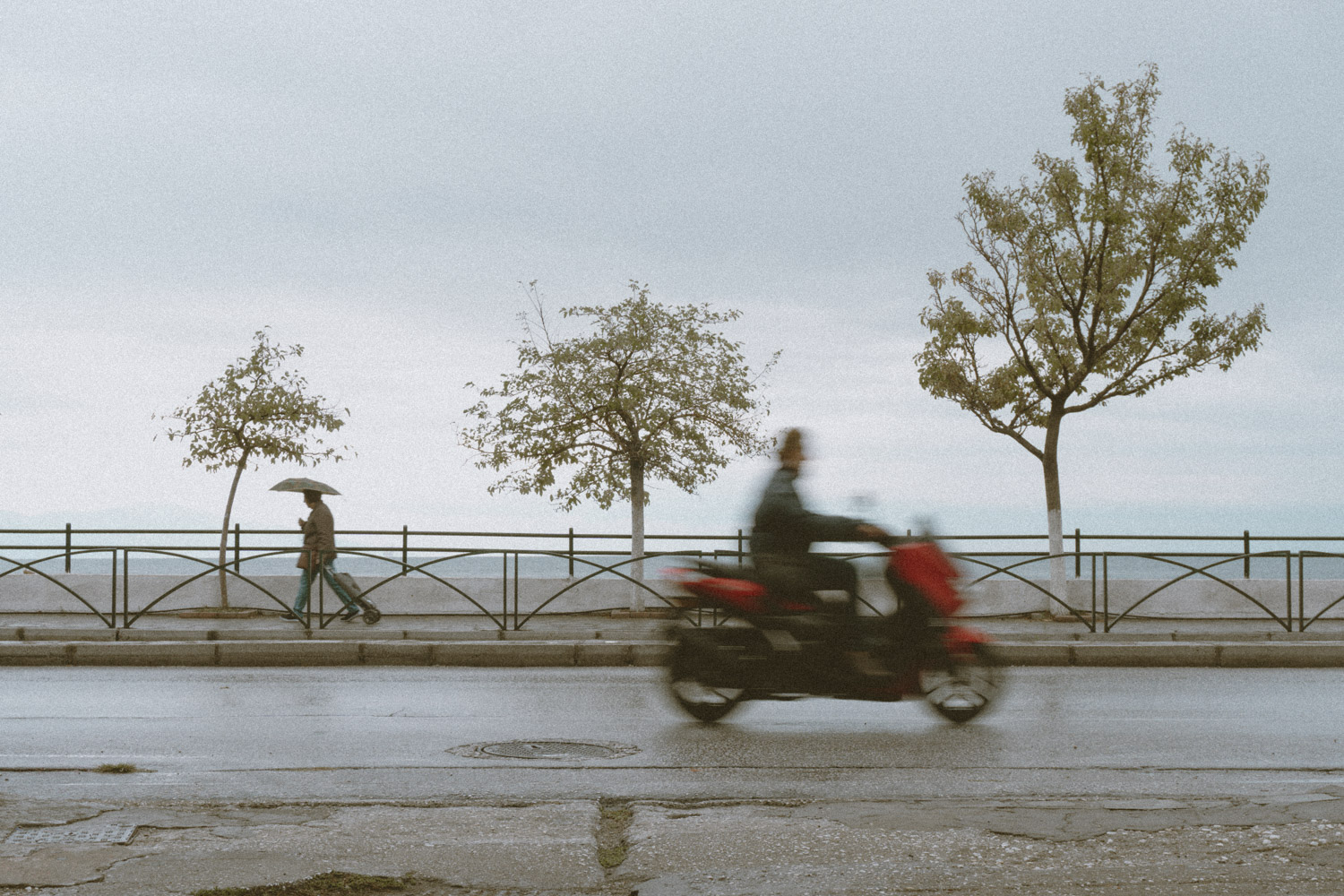
The hooded figure walking head down under the sign, the older man with his particular unhurried stride, the woman whose red umbrella became the only warm tone in an otherwise cold frame are all subjects that are a byproduct of the rain.

And all these people were captured from roughly the same position, within the same hour.

The location did not change. What changed instead was who walked into it, and when, and at what pace. And the thing we need to always remember is that sometimes a scene is static, but the content is not, and our job as photographers is to understand which elements are fixed and which are in flux.

So we can use the static elements to create our frames and composition and then wait for the subject to be at the right place and at the right time.

/And I will leave you with this: maybe you feel like me: your hometown might look boring but give it a chance when it rains and stick to a place where people walk by often.

You will be probably surprised.